
You worked too hard – FAIL
Mediocrity is the real benchmark of organizational performance

You are in shock,
your stomach hurts,
sweat appears on your face,
It’s too hot,
you feel sick.
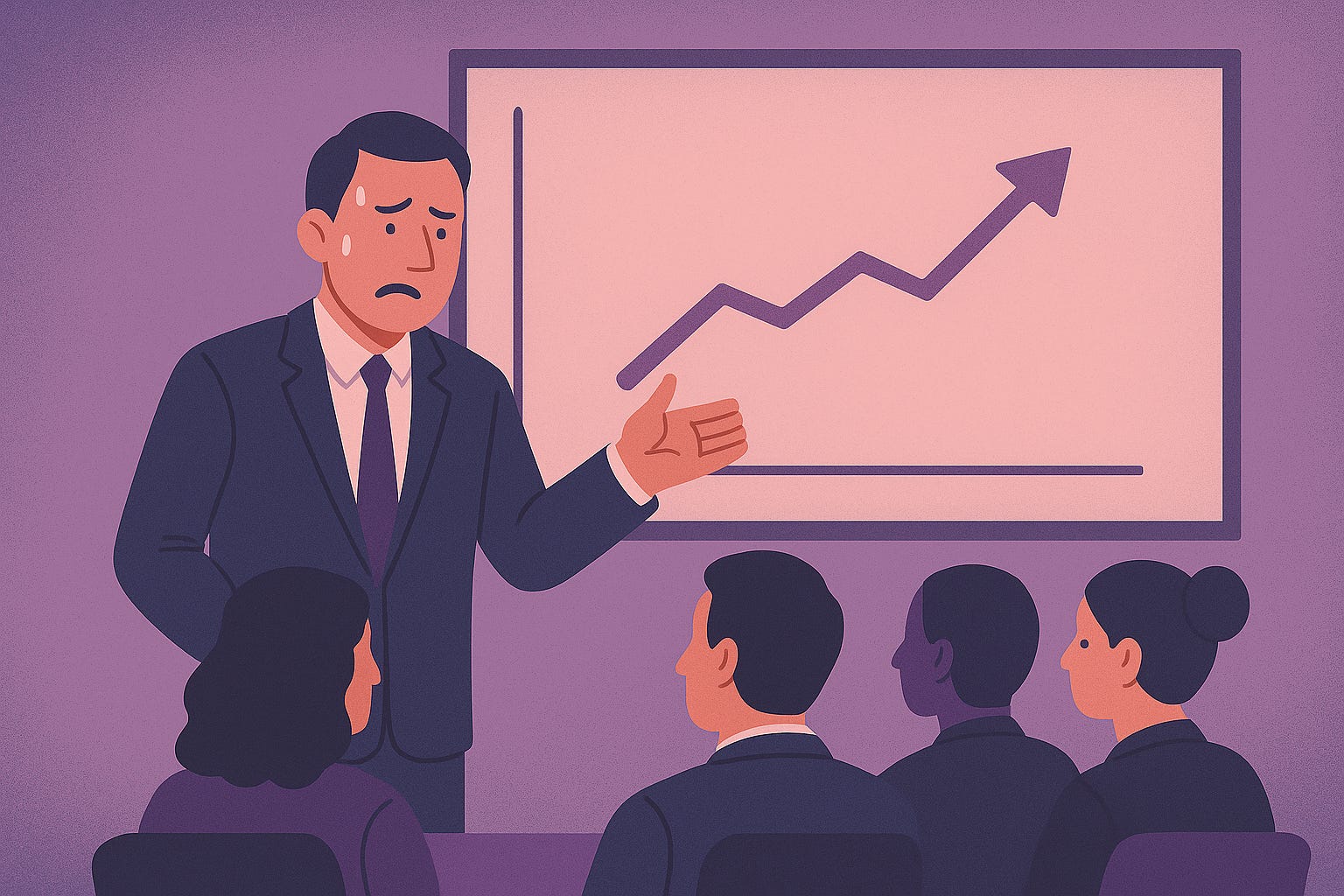
You have just heard the craziest — dumb, nuts — feedback, ever:
As a vice president, you are presenting your work and your team’s work; a two-year evaluation, sitting in front of a five-person panel.
Their conclusion is still ringing in your ears:
“You set the bar too high.”
“You worked too hard.”
“You achieved too much.”
“Your successors will be embarrassed because they won’t be able to emulate your standards.”
This is a true story.
I have changed stuff to keep it private, but the comments and scenario are faithful to the person’s experience.
Instead of being pleased, instead of offering congratulations, excellence is punished and vilified.
I have news for you: this is not news.
I would argue that if organizational learning exists, then there have to be organizations that systemize non-learning under the guise of learning.
Sorry?
It’s logical, is it not?
If you have organizational learning as a discipline, then the barriers and obstacles to achieving this objective are psychological cultural features that stop people from performing.
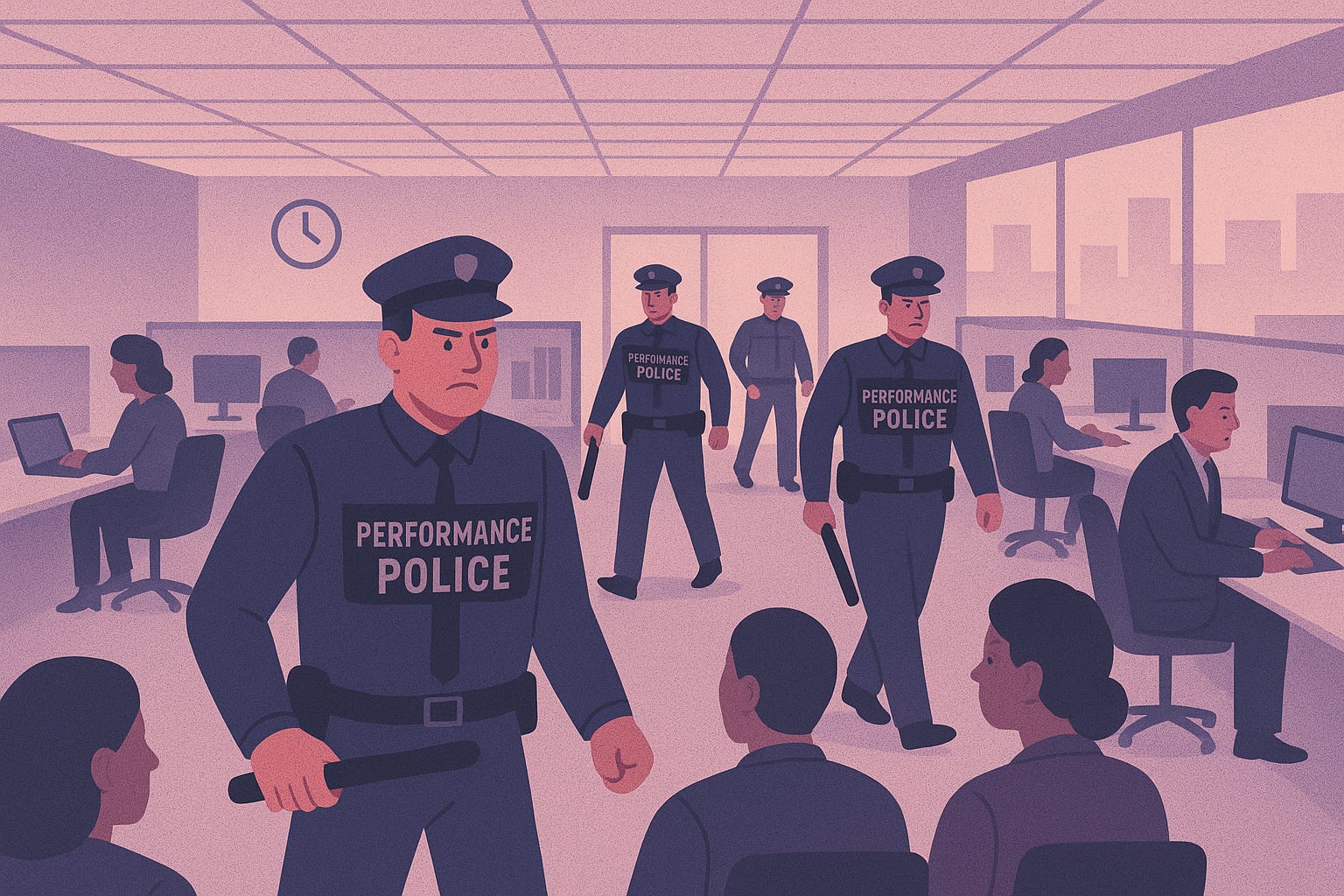
There are cultural phenomena across the world of sport, business, medicine, and politics that inhibit growth, creativity, and innovation. Part of this problem is that people just don’t get the difference between a fixed mindset and a growth mindset. Organizations just struggle to implement soft skills training which would unleash a human-centric wave of learning. It all begins with the fact that the current model of learning is inappropriate and outdated, period.
Our current education system is the dominant philosophy for learning systems across the board; it is the method that determines the selection of top performers, and those at the bottom of the hierarchy. Soft skills just don’t get a look-in, despite all the evidence that education limits performance; or, as Herman Kahn calls it, “educated incompetence”.
Putting this together, we can coin the term “organizational skilled incompetence”. This means organizations are amazing at ensuring that mediocrity is the key principle that dominates performance.
You need to ask yourself an important question: do you know how to learn?
In your life, can you demonstrate the meta-learning principles of high performance?
If executives don’t know how to leverage a growth mindset in their personal lives, I think organizational learning will always be limited. Soft skills begin with leadership… offering a two-day course on soft skills just shows that you don’t get it!
Fundamentally, soft skills are a human-centric strategy, which is at odds with the Roman slave gallery model of organizational performance. Competitive advantage is about successfully adapting to change.
You need to get a grip because I can guarantee that change will offer no mercy if you are still using a fixed model of learning.
Trust me, staying still is not an option.
DISCLAIMER: This article was written by a human.